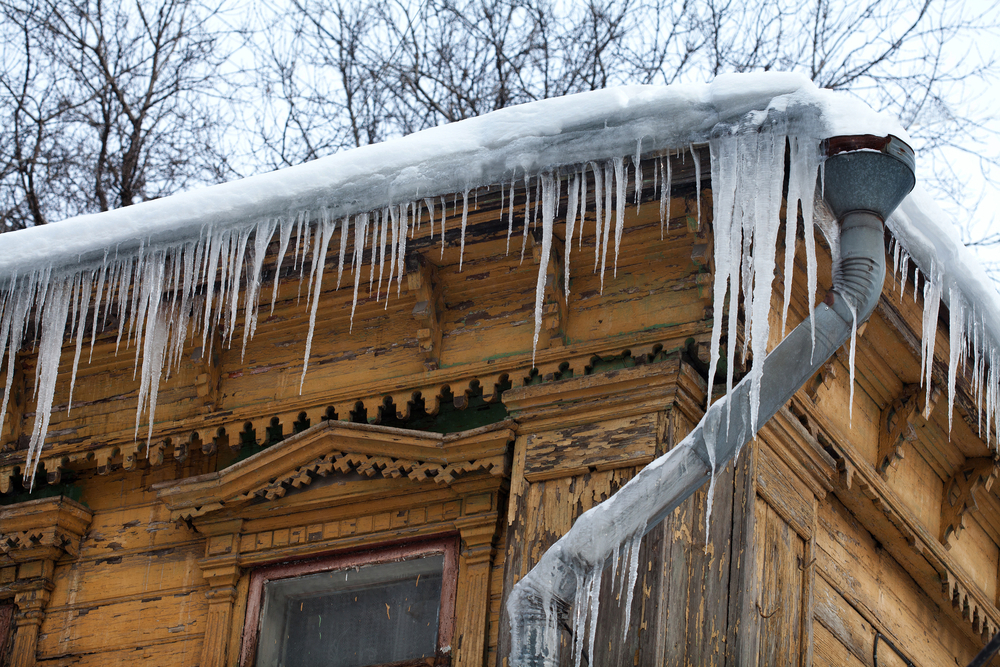
When Winter Bites: How Freezing Temperatures Can Affect Your Home
Feb 02, 2026When Winter Bites: How Freezing Temperatures Can Affect Your Home
As winter approaches, it’s easy to think about cozy fires, holiday lights, and snow days. But for many homeowners, freezing temperatures and winter weather bring hidden risks — especially to your home’s foundation, plumbing, and long-term structural health. At Approved Mortgage, we believe that protecting your home isn’t just about the loan — it’s about ensuring your investment stays solid for the long haul.
Here’s what homeowners across the country should know about how cold weather can impact a house — and what you can do about it.
1. The Freeze–Thaw Cycle: Why It’s Dangerous for Foundations
When soil around your home freezes, water in the ground expands. As temperatures rise and freeze again, the repeated expansion and contraction — the so-called freeze–thaw cycle — can put stress on your foundation.
This pressure can cause:
- New or widened foundation cracks and fissures.
- Uneven or shifting floors, misaligned doors/windows, or walls that don’t sit square anymore.
- Moisture seepage: as ice melts, water can seep into cracks, causing leaks, dampness, or even basement flooding over time.
Even just a few freeze–thaw cycles can start the trouble — especially for older homes, or homes built in regions with clay soils that expand and contract significantly.
2. Frozen Pipes: A Hidden Winter Threat
Inside your home, freezing temperatures can be just as dangerous — especially for uninsulated or poorly protected pipes. Water expands as it freezes, putting enormous pressure on pipe walls. That pressure can cause pipes to crack or burst.
When that happens, the results can be disastrous:
- Flooded basements or crawl spaces
- Water damage to walls, floors, ceilings, and personal belongings
- Mold growth, structural damage, and high repair bills — sometimes tens of thousands of dollars.
It’s a costly mistake that often takes homeowners by surprise — especially when the rest of the home seems ready for winter.
How to Protect Your Home This Winter
While freezing temperatures are inevitable in many parts of the U.S., the damage doesn’t have to be. With a little preparation, you can safeguard your home from the worst winter hazards.
Here are some practical steps:
- Check and seal foundation cracks — do this before the ground freezes to minimize water seepage under concrete.
- Improve drainage around the foundation — ensure water flows away from the home. Clean gutters, extend downspouts, and maintain proper soil grading.
- Insulate or protect pipes — especially those in unheated spaces like basements, crawl spaces, attics, garages, or exterior walls. Keep indoor temperatures consistent; open cabinet doors to encourage warm air circulation; let faucets drip during extreme cold.
- Inspect your home before and after winter — look for early signs of trouble: sticking doors, uneven floors, dampness or musty smells in basements, water stains, or foundation cracks. Catching issues early can save you from major repairs.
As Your Mortgage Partner — We Want You to Succeed
At Approved Mortgage, we know owning a home is more than a loan — it’s a long-term commitment. That’s why we’re committed to helping you not just finance your home, but also protect it for years to come.
If you’re house-hunting, refinancing, or preparing for winter, reach out to us. We’re happy to advise you on financing options — and remind you of the maintenance steps that matter.
Contact our team today. Let’s make sure your home is a safe, stable place — even when the temperature drops.